Energy continues to be a top concern for small businesses across the country. Rising energy costs, coupled with ongoing economic pressure, are forcing small businesses to rethink when and how they use power.
Recent figures reveal that a third of small businesses report financial strain when paying energy bills, and nearly half are worried about what comes next.
For many businesses including cafés, retail stores, and manufacturers, energy usage peaks when doors are open, customers are enjoying their stay, and operations are in full swing. However, traditional energy plans are often designed around off-peak or residential patterns, which rarely reflect daytime demand.
Hayden Barry, Managing Director at Australian energy retailer, Nectr, says that small businesses need energy solutions that meet the energy needs of their operations.
“Business owners are often strapped for time, so a ‘set and forget’ approach is usually the way energy is handled. But, by understanding the unique pressures businesses face day to day, and working with a specialist to design an energy plan that works in step with how they actually use energy, can mean a huge saving in the long run.”
What can businesses do right now to reduce their rising energy costs?
- Review your current energy plan: Regularly comparing providers and plans via www.energymadeeasy.gov.au/ can help unlock immediate savings. Review your current rates and compare the latest deals available specifically for small the medium businesses. Or speak with small business energy experts for an energy audit of your business.
- Understand your usage patterns: Identify when your energy demand peaks and your business’ energy habits. Consider how you might reduce power usage and times when peak power is essential.
- Upgrade to energy-efficient equipment: Appliances, lighting, and machinery with higher efficiency ratings can significantly reduce consumption over time. Considering investing in energy efficient equipment for long-term savings.
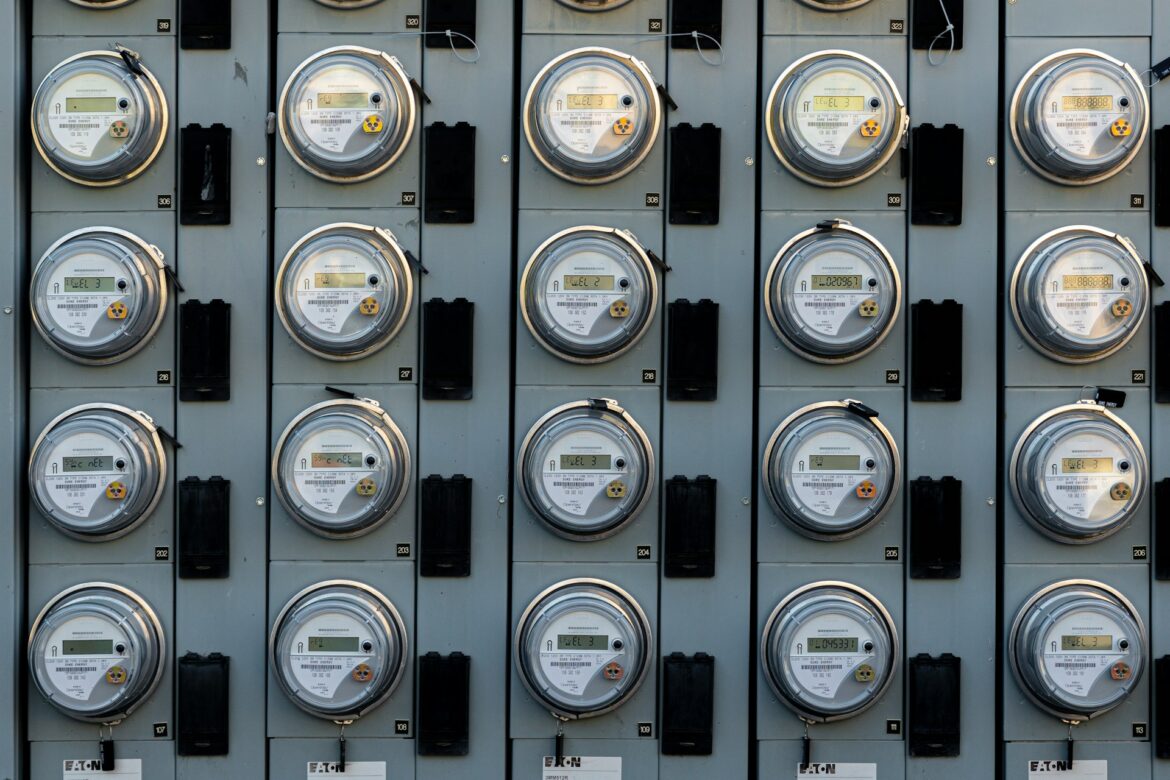
- Invest in smart technology: Knowledge is power and using timers, smart meters, and energy management systems can help monitor energy usage in real time, and address how energy can be better managed or how energy wastage can be rectified.
- Reduce standby power: Lighting, refrigerators and other equipment that is left on overnight or outside business hours can quietly drive up costs. Use timers, senor lights or change energy habits to ensure that energy isn’t used unnecessarily and adding to your power bill.
- Explore renewable options: Energy derived from renewable sources such as solar, are considered the cheapest form of energy. Solar and battery systems can be a game-changer for businesses by offsetting daytime energy spikes and providing longer-term savings.
Every dollar counts when you’re running a small business, so signing up for an energy plan that is built for small businesses with high daytime energy usage is an easy way to improve savings.
With the right plan and a more proactive approach to energy management, small businesses can regain control of their energy for strategic business advantage.
Contact Nectr SME energy specialists at www.nectr.com.au/business-services/