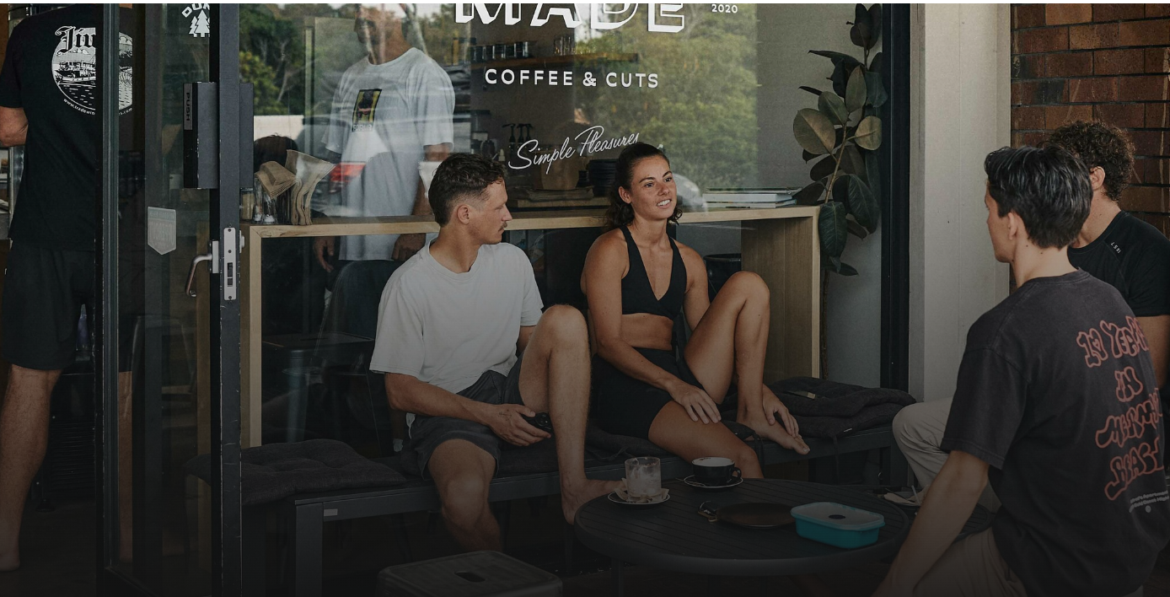
Loyal regular customers are reshaping how small businesses grow in Australia’s suburbs, new data from Square’s 2026 Local Economy Report shows.
With stubborn inflation and ongoing interest rate pressure weighing on household spending, most Australians expect their local spending to hold steady this year. In that environment, growth will not come from larger sales. It will come from customers returning more often and spending little and often.
This could be good news for local neighbourhood businesses, with Square’s data showing customers who return regularly generate five times more annual revenue than those who visit once and do not come back.
One-off customers often spend more in a single visit, in some cities nearly double the average transaction of a regular. But over the course of a year, repeat visits add up.
On average, a regular visits a business 12 times a year. It is that steady rhythm, not the one-off splurge, that is driving resilience in the suburbs.
The neighbourhood effect
Loyal customers don’t just support one business; they strengthen the entire neighbourhood.
Square’s analysis shows local businesses increasingly share the same regular customers. Nearly three in four Australians now buy from a local retailer or restaurant within their postcode at least once a week. Most make multiple stops in a single neighbourhood trip. The café regular is often also the wine bar regular. The salon client is shopping at the boutique down the road. When one business builds loyalty, others nearby often benefit too.
“The suburbs operate differently to the CBD,” said David Schnabl, Head of Account Management at Square in Australia. “City centres depend on traffic while neighbourhoods depend on loyalty. When customers are spending most of their time and money close to home, one strong business can lift the others around it.”
That shift towards everyday local trade is something operators are actively planning for when opening new venues.
“When we look for a venue, we generally find the location first and then we tailor our brand to what’s needed in the area,” says Mike Ico, co-founder of Marrickville-based Superfreak, Soulmate & Splash. “We’re lucky because we live in the areas where we open our cafes. We think it’s better to open in a residential area because you get that everyday trade – and you also have that community from all the local neighbours.”
Building loyalty over chasing bigger sales
With 68 percent of Australians expecting their local shopping and dining habits to remain steady this year, the opportunity lies in deepening relationships with existing customers, not waiting for a surge in new ones.
Square’s data shows tools that help businesses stay connected to regulars materially increase return custom. In 2025, 93 percent of Australian sellers using Square email marketing and loyalty features had regular customers, compared to just 39 percent of Square sellers without those tools. Sellers using marketing products such as loyalty or email saw on average four times more daily transactions and three times more daily spend.
This is reflected in consumer sentiment, with more than a third saying a digital loyalty program would make them more likely to frequent a local business.
One business that’s been seeing the benefit of implementing a digital loyalty program is Suupaa, a Japanese convenience style restaurant in Melbourne’s Cremorne neighbourhood.
“People really value a loyalty system,” said Stefanie Breschi, co-founder of Suupaa. “When customers feel recognised and rewarded, they come back more often. We’ve seen first-hand how building those relationships turns occasional shoppers into regulars.”
Schnabl said the lesson for small businesses is clear.
“Right now, with businesses feeling the pressure, it’s tempting to chase the bigger sale. But the data shows it’s the regular who really matters: someone who pops in every week is far more valuable than someone who splurges once and doesn’t come back. The smart play in 2026 is simple: give people a reason to return.”
Neighbourhoods are settling into a new rhythm
In a tighter economy, Australians are being more deliberate about where they spend. And their local neighbourhoods are the main beneficiaries.
Spending close to home is becoming routine rather than reactive. Local cafés, retailers and service providers are part of weekly habits, not occasional indulgences. When one business earns a regular, it often strengthens the broader strip around it.
For small businesses, the direction is clear. The opportunity in 2026 isn’t to chase unpredictable foot traffic; it’s to become dependable, familiar and woven into the everyday lives of customers.
Schnabl said that should give operators confidence.
“Despite the economic pressure, Australians haven’t turned away from local businesses. They’re building habits around them,” he said. “If you focus on consistency, fair value and genuine connection, loyalty compounds. The suburbs aren’t slowing down: they’re finding their rhythm. And the businesses that become part of that rhythm will be the ones that thrive.”
You can view the full report here.